Upholstery Cleaner in London

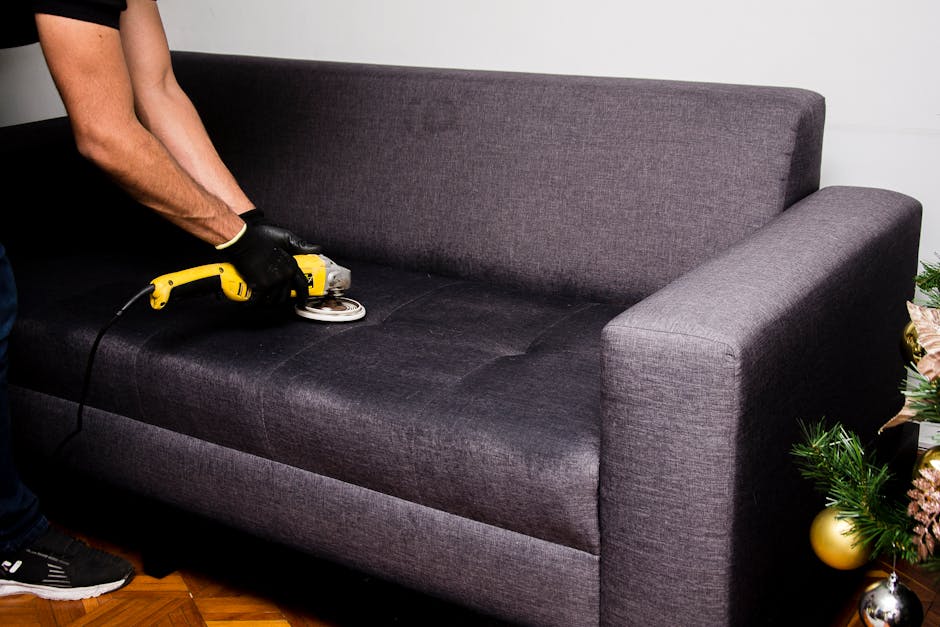
We provide upholstery cleaner services in London for homes and workplaces that need careful fabric cleaning, targeted stain treatment and a fresher finish across everyday furniture. Our work focuses on sofas, armchairs, dining chairs, footstools and other upholstered items that benefit from a methodical clean rather than a quick surface wipe. If you want to restore the look and feel of fabric seating while keeping the process practical, our approach is built around the item, the material and the level of soiling.
Different fabrics need different handling, so our service is shaped around the construction of the furniture as well as the marks on it. We can deal with common issues such as dust build-up, drink spills, body oils, pet-related mess and general dulling from regular use. For some items, a light refresh may be appropriate; for others, a deeper treatment is needed to work through the pile or weave without over-wetting the upholstery. Clear identification of the fabric type is always useful, because it helps us choose a careful and suitable method.
To discuss the upholstery you want cleaned and request a quotation, contact us when you are ready. If you are comparing options for a particular sofa, chair set or office seating, we can talk through the likely scope and what the job involves before anything is booked.
Fabric Care for Sofas, Chairs and Soft Furnishings
Upholstery cleaning is rarely one-size-fits-all. A woven fabric sofa with scattered marks needs a different plan from a velvet occasional chair, a hard-wearing office seat or a dining chair with food spills around the edges. Our service is designed to be practical and careful, with attention to the surface, the seams, the arms and the areas that take the most contact. The aim is to clean as much of the visible upholstery as possible while respecting the limits of the material.
We also look at the use of each item. Furniture in busy family rooms may need a more thorough clean than decorative seating that is used occasionally, while commercial seating can require attention to repeated contact points and embedded soil. Where appropriate, we can discuss whether a single item, a small set or a larger group of furnishings is the best place to start. Pricing and quotes can help you plan the work if you are comparing several pieces.
Common upholstery items we clean include:
- Sofas and corner seating
- Armchairs and recliners
- Dining chairs and occasional chairs
- Footstools and ottomans
- Fabric office chairs
Stain Treatment and Day-to-Day Marks
Stains on upholstery can vary from light surface marks to more settled patches that have worked into the fibres. We approach stain treatment by looking at the cause where possible, the age of the mark and the way the fabric reacts to moisture and agitation. That matters because a strong treatment on a sensitive textile can leave rings or texture changes, while a cautious step-by-step method often gives a cleaner and more even result. This is one reason upholstery cleaning deserves a proper plan rather than a hurried pass.
Typical marks may include food drips, tea or coffee, general dirt from hands and clothing, pet traces and accidental spills that have dried in place. Not every stain will disappear completely, and it is important to be realistic about what can be achieved on an aged or delicate fabric. Even so, careful cleaning can often improve the appearance of the item and reduce the contrast between the stained patch and the surrounding fabric. Where relevant, we can talk about spot cleaning for isolated marks that need focused attention.
For customers deciding what to have cleaned first, it is often sensible to begin with the items that affect the room most visibly. A sofa used every day may need priority over an occasional chair, and a set of dining chairs may be best treated together so the finish looks consistent. If you are considering a broader refresh, our deep cleaning service page may also be useful for understanding more intensive cleaning options.
What the Service Covers in Practical Terms
Our upholstery cleaning service is centred on the visible furniture surfaces that people sit on and touch most often. That usually means the cushions, arms, backs, fronts and edge areas where dirt builds up and fibres can look flattened. We work with the structure of the item in mind, because stitched sections, piping, buttons and decorative folds can trap soil and need a more deliberate approach. The result is a service that pays attention to detail without becoming complicated for the customer.
Some pieces benefit from a straightforward refresh, while others need a more intensive clean where soil has built up over time. We can discuss the likely approach before work begins so you have a realistic sense of what is involved. If your furniture includes mixed materials such as fabric with leather trim, or if the item has special care instructions, that should be mentioned early because it may affect the method. For customers who also need soft furnishings cleaned, our rug cleaning page covers another part of the home fabric care picture.
The service is suitable for domestic settings as well as some commercial spaces where fabric seating is part of the daily environment. Offices, reception areas and waiting rooms often need upholstery attention for presentation and comfort. In those settings, the clean may be planned around access and usage so that seating can be treated with as little disruption as possible. The exact method still depends on the fabric and the condition of the item rather than on a fixed routine.
Materials, Construction and Cleaning Methods

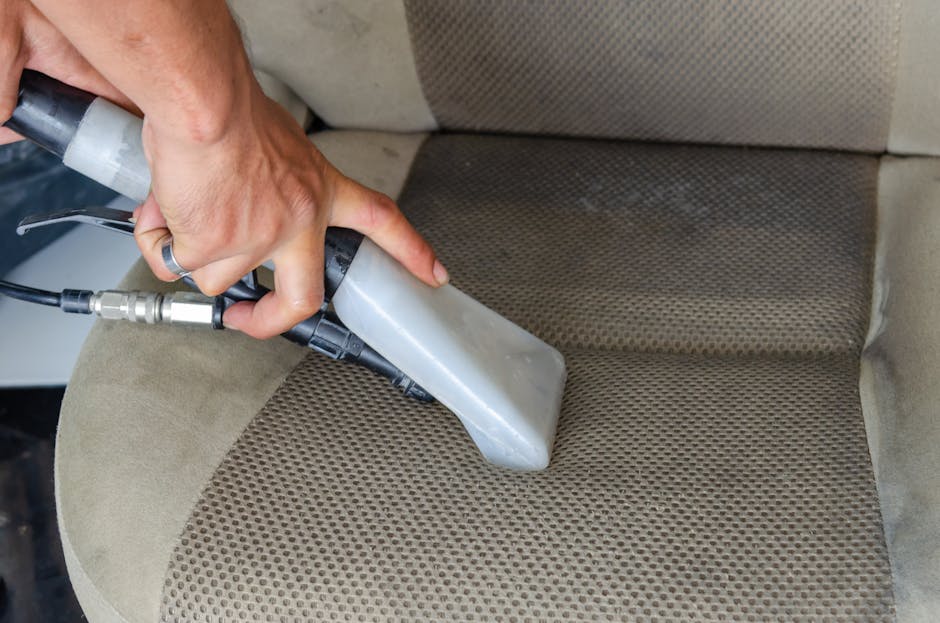
Upholstery fabrics are not all made to the same standard, and the method must suit the item rather than force every piece into the same process. Some materials respond well to a deeper moisture-based clean, while others need a more restrained approach that limits water and focuses on controlled extraction or targeted treatment. We consider texture, weave, padding and drying needs when discussing the work, because the inside structure of the furniture can matter as much as the visible surface.
Construction details are important too. Piped seams, tufting, buttons, loose covers and fixed cushions each change how the furniture should be cleaned. A piece with deep creases may hold more dirt, while a modern seat with a flat finish may be easier to work through evenly. We also pay attention to how the item is used after cleaning, since some fabrics show marks more readily if they are handled before they are fully dry. If you want to compare this with cleaning for larger fabric surfaces, carpet cleaning services may be useful to review.
Where a customer has several pieces to consider, it can help to think in terms of fabric type, visible condition and how often each item is used. A cleaner may be able to treat one item immediately while recommending a lighter or more cautious option for another. That is not a limitation of the service so much as the sensible result of respecting the materials involved. It also helps keep expectations grounded, especially where delicate textiles or older furniture are concerned.
Home Furniture, Office Seating and Routine Maintenance
Upholstery cleaning at home often centres on sofas, armchairs and dining seating that gather dust and everyday marks over time. In offices, the focus may shift to waiting room chairs, meeting room seating and fabric items that need to look presentable to staff and visitors. Both settings benefit from a method that balances appearance with care for the material. We can clean individual items or discuss a small group of furnishings if you want the work carried out in a sensible order.
Routine maintenance can make a useful difference before the furniture reaches the point where marks become deeply embedded. For example, addressing spills promptly and keeping up with periodic cleaning can help preserve the finish of the fabric. When upholstery has been neglected for a long time, the work may still improve the overall appearance, but it may also need a little more patience and a realistic view of the result. If the area includes a broader set of fabrics, our home cleaning page can provide a wider domestic context.
To keep the process straightforward, it helps to have a rough idea of the furniture type, the number of items and the main concerns, such as staining, general dullness or pet-related marks. Two brief points usually matter most:
- Which pieces need cleaning first and why.
- Whether there are any known stains, fragile fabrics or fixed coverings.
Preparing for a Quotation and Comparing Scope
When you request a quotation, the most useful details are usually the item type, the fabric if known, the number of pieces and a plain description of the condition. That gives a better basis for discussing the likely scope than a vague request on its own. If you have photos, they can help with obvious staining or the overall state of the upholstery, but they are not the only way to begin a conversation. Clear notes about access and whether the furniture is fixed or movable can also be useful.
It is sensible to mention anything unusual, such as heavy pet hair, an older fabric that may need a cautious touch, or a chair with delicate trim. This is not about making the process complicated; it simply helps set the right expectations for the work. For some customers, the most relevant decision is whether to clean one statement piece or to treat a complete seating set so the room looks balanced afterwards. If you also need help understanding domestic cleaning options more broadly, our domestic cleaning page is another useful place to look.
Short version: tell us what needs cleaning, what it is made from if you know, and what you would most like improved. That is often enough to start a sensible quotation conversation and decide whether a light refresh or a deeper upholstery clean is the better fit. When you are ready, ask for a quotation and we can take it from there.
About London
London is a large and historically layered city on the River Thames, shaped by centuries of trade, administration, migration and rebuilding. Its geography is unusual in the way it combines a long river corridor with a patchwork of older settlements, boroughs, squares, estates and former village centres that were gradually absorbed into the capital. The City of London remains the historic core, while Westminster developed as the seat of national power. Beyond the central districts, the city expands into a broad ring of neighbourhoods with distinct high streets, parks, canals and railway-led growth patterns. Many areas still preserve traces of earlier centuries in street layouts, churches, market places and terraces, even where later development has transformed the skyline. London’s identity also comes from its museums, theatres, galleries, music venues and institutions that draw on both local and international cultural life. Major green spaces such as Hyde Park, Regent’s Park and Hampstead Heath sit alongside riverside walks, towpaths and squares that soften the urban fabric. The Thames remains a constant reference point, with bridges, embankments and docklands districts linking older commercial history to modern business and residential change. Architecturally, the city is strikingly mixed: medieval fragments, Georgian terraces, Victorian public buildings, post-war estates and contemporary towers all sit within the same overall landscape. That mix gives London a layered character that can be read in its transport network, civic buildings, markets and neighbourhood identities as much as in its famous landmarks.
Choosing the Right Upholstery Clean
Different jobs call for different priorities, and that is especially true with upholstered furniture because appearance, comfort and fabric care all need to be balanced. A lightly marked sofa may only need freshening, while a heavily used armchair may benefit from a more thorough treatment to address traffic marks and settled dirt. The right choice depends on the item itself, not just the room it sits in. If you are comparing options, think about the type of use the furniture gets, how visible the marks are and whether you want one item or a set treated together.
It is also worth considering whether the upholstery is part of a larger clean-up plan. Sometimes a fabric chair is the main concern, but in other cases the room may also contain carpeted areas, curtains or other soft furnishings that would benefit from coordinated attention. Choosing the right scope can make the overall result more coherent, especially where the furniture is central to how the room looks. For related fabric care, our upholstery cleaning page gives a direct route back to this service area from a more general listing.
Good upholstery care is as much about judgement as it is about equipment. Overly aggressive treatment can be unhelpful, while a cautious but informed method often gives a better finish on everyday furniture. If you want to keep the decision simple, start with the item that matters most, describe the condition plainly and ask for a quotation based on that specific work. One clear enquiry is usually enough to move the process forward.
Why Fabric Condition Matters

Fabric condition influences everything from stain treatment to drying time and the level of agitation that is sensible for the item. A newer piece with a resilient weave may tolerate a more direct clean than an older upholstered chair with weakened fibres or visible wear. Even within the same sofa, the arms, seat cushions and back panels may respond differently. That is why a careful upholstery cleaner looks at the whole item rather than assuming every section needs the same approach.
The condition of the padding and the seams can matter as well. If the structure has settled unevenly, or if a cushion cover is loose, the cleaner needs to work in a way that avoids distortion and keeps the piece looking balanced. This does not mean older furniture cannot be cleaned; it simply means the method should be measured. If your enquiry is part of a broader home refresh, our one-off cleaning page may help you think about a single planned visit rather than an ongoing routine.
For a quotation, plain detail is best: what the item is, what has happened to it and what result you are hoping for. A sensible conversation about scope is more useful than guesswork, particularly with upholstery where materials vary so much. If you are ready to move ahead, ask for a quotation and tell us which items you would like cleaned first.