Islington N1 Carpet Cleaning Services for Rented Flats
If you rent a flat in Islington, you already know how quickly carpets can start to look tired. A bit of street dust, a coffee spill near the sofa, muddy shoes after a wet commute, and suddenly the whole place feels less fresh. That is where Islington N1 carpet cleaning services for rented flats come in: they help tenants, landlords, and letting agents keep carpets clean, presentable, and much easier to hand back at the end of a tenancy.
This guide breaks down what the service involves, why it matters in rented homes, how the cleaning process usually works, and what to look out for before you book. We will also cover common mistakes, practical checklists, and the kind of best practices that make a real difference in busy London flats. No fluff. Just the useful stuff you actually need.
- Why it matters
- How it works
- Key benefits and practical advantages
- Who this is for and when it makes sense
- Step-by-step guidance
- Expert tips for better results
- Common mistakes to avoid
- Tools, resources and recommendations
- Law, compliance, standards, or best practice
- Options, methods, or comparison table
- Case study or real-world example
- Practical checklist
- Conclusion
- Frequently asked questions
Why Islington N1 carpet cleaning services for rented flats Matters
In a rental flat, carpets do more than soften footsteps. They shape first impressions. They affect how tidy a room feels, how fresh it smells, and whether a space looks well cared for. In Islington, where many flats are compact and living spaces do a lot of heavy lifting, a carpet can make a small home feel welcoming or, if neglected, a bit dated and flat. Funny how one surface can change the whole mood of a room.
For tenants, the main reason carpet cleaning matters is simple: you want the flat to look clean when you move out, without scrambling at the last minute. For landlords and managing agents, it is about protecting the condition of the property between tenancies and reducing avoidable wear showing up as avoidable complaints later on. For letting agents, it is about consistency, turnaround times, and making sure the property is ready for viewings or a new check-in.
There is also the practical matter of everyday living. Rented flats often have a lot of foot traffic in a small footprint. Hallways, bedrooms, and lounge areas pick up dust fast. If you have pets, young children, or a home office setup, carpets can collect crumbs, pet hair, and the odd ink mark before you even notice. Truth be told, by the time the carpet looks dirty, it has usually been holding on to grime for a while.
Expert summary: In rented flats, carpet cleaning is not just about appearance. It supports better hygiene, helps preserve the property, and reduces stress at the end of a tenancy when everyone is focused on inspection day.
If you are comparing cleaning providers as part of a broader property reset, it can also make sense to think beyond carpets alone. Many renters in the area pair carpet work with end of tenancy cleaning or book a more complete deep cleaning service so the flat feels genuinely move-out ready.
How Islington N1 carpet cleaning services for rented flats Works
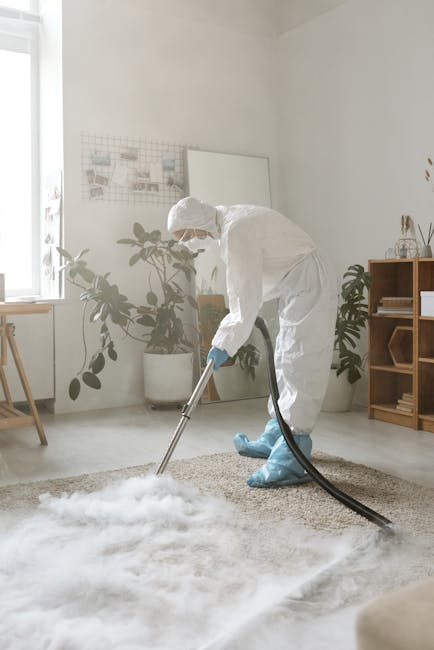
Most professional carpet cleaning for rented flats follows a fairly straightforward process, though the exact method depends on the carpet type, level of soiling, and how much drying time you have. The aim is not just to make the carpet look cleaner on the surface. A good clean reaches down into the fibres where dust, residue, and stains tend to sit.
Here is the typical flow you can expect.
- Inspection: The cleaner checks the carpet fibre, stain type, wear patterns, and any delicate areas. This is where they decide whether steam cleaning, shampooing, or a spot treatment is the better call.
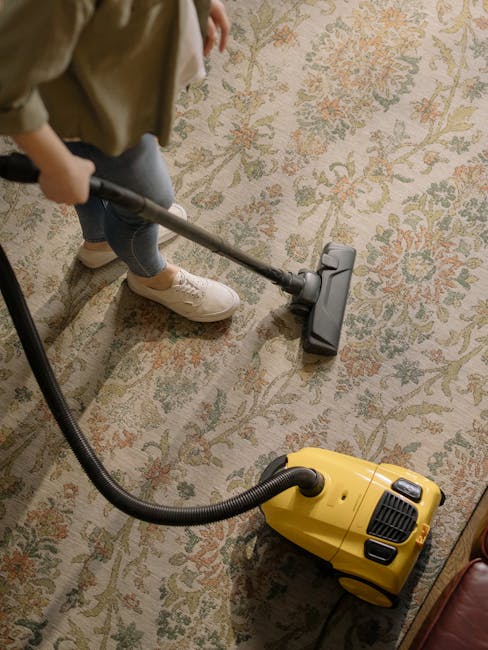
- Vacuuming: Loose dirt is removed first. Skipping this step is a bad idea, honestly. It just turns surface dust into messy slurry later.
- Pre-treatment: Stains and high-traffic areas are treated with suitable solutions to loosen embedded soil.
- Main clean: Depending on the method, the carpet is cleaned using hot water extraction, shampoo, or another suitable process.
- Rinse and residue removal: The cleaner removes as much solution and dirt as possible so the fibres are not left sticky.
- Drying advice: You will usually be told how long to keep windows open, when to walk on the carpet, and what to avoid until it is fully dry.
In a rental flat, the timing matters as much as the method. If you are moving out, you may need the carpet cleaned on the same day as inventory photos or just before keys are handed back. In a lived-in flat, you might want to do rooms one at a time so you can still function while the work is done. Slightly annoying, yes, but manageable.
Many people ask whether a cleaner should use steam cleaning or shampooing. There is no universal answer. Steam cleaning, or hot water extraction, is often chosen for deeper dirt and general refresh work. Carpet shampoo can be useful for certain stains or when the carpet needs a more targeted surface treatment. The right choice depends on the carpet, not the trend.
Key Benefits and Practical Advantages
There are the obvious benefits, and then there are the ones people only notice after the job is done.
- Better presentation: Clean carpets make the whole flat feel brighter and more looked after.
- Improved hygiene: Dust, crumbs, and allergens trapped in fibres are reduced, which is helpful in smaller flats where everything seems to circulate.
- End-of-tenancy readiness: A professionally cleaned carpet can support a smoother handover and reduce avoidable disputes about condition.
- Odour reduction: Cooking smells, damp footwear, pets, and everyday living can linger in carpets. A proper clean can help freshen the room noticeably.
- Longer carpet life: Removing grit and residue can reduce premature wear, especially in hallways and around sofa edges.
- Better value from a modest space: In a compact N1 flat, small improvements make a big visual difference. A clean carpet can make the whole room feel newer, even if nothing else changed.
For landlords, there is also a very practical benefit: fewer arguments over whether a carpet is dirty, tired, or just lived-in. That distinction sounds minor until you are trying to settle a checkout report. A cleaner carpet often takes the emotion out of the conversation.
And for tenants? Peace of mind, mostly. No one wants to spend the final week of a tenancy scrubbing stains with a supermarket bottle and a prayer.
Who This Is For and When It Makes Sense
Not every flat needs professional carpet cleaning every few months. But in rented accommodation, there are certain times when it makes a lot of sense.
Tenants moving out
If your tenancy agreement says the property should be returned in a professionally cleaned state, carpet cleaning may be part of that expectation. Even when it is not explicitly required, it is often one of the most practical ways to present the flat well at checkout.
Tenants staying long term
If you plan to stay put, a regular carpet clean can keep the flat feeling fresher, especially in rooms that see daily use. It is particularly useful after winter, after a pet-related accident, or when a child has managed to turn one corner of the living room into an accidental art studio.
Landlords between tenancies
Vacant flats are ideal candidates for carpet cleaning because rooms can be cleaned without furniture getting in the way. That can mean a more thorough result and a faster turnaround before viewings or new move-ins.
Letting agents and property managers
If you manage multiple flats in Islington or nearby areas, repeatable service matters. You want cleaners who show up on time, understand inventory standards, and leave carpets ready for inspection rather than merely damp and hopeful.
Households with extra wear and tear
Pets, children, stairs, and heavy footfall all shorten the time between cleans. In a rental flat, that wear shows quickly because the rooms are typically smaller and the carpets are used more intensively.
If the property needs more than just carpet care, many people also pair the job with domestic cleaning or, when the flat needs a more comprehensive refresh, one-off cleaning.
Step-by-Step Guidance
If you want the best result, do not leave everything to the cleaner on the day. A little preparation goes a long way. Here is a simple approach that works well in rented flats.
- Check your tenancy agreement: Look for any wording about cleaning standards, carpet condition, or professional end-of-tenancy requirements.
- Walk through the flat room by room: Note obvious stains, traffic lanes, pet areas, and any carpets that are especially delicate or old.
- Identify the carpet type if you can: Wool, synthetic, and blended fibres may need different treatment. If you are unsure, ask the cleaner rather than guessing.
- Remove furniture and clutter where possible: The cleaner can work around some items, but clear access gives better coverage and drying.
- Point out problem areas: Fresh stains, old marks, or odours should be flagged before work starts. That is the difference between a general clean and a targeted one.
- Ask about drying time: This matters a lot in flats. A carpet that stays damp too long can be awkward in a compact home, especially if ventilation is poor.
- Inspect the result while the cleaner is still there: If a stain needs another pass, it is much easier to deal with immediately.
A useful rule of thumb: the less surprise there is on the day, the smoother the job tends to go. That sounds obvious, but it saves time and money more often than not.
And if you are booking other work at the same time, line things up sensibly. Carpets are usually best cleaned after dustier jobs are finished, not before. A bit of planning prevents that sinking feeling of finding fresh debris after the clean. Annoying, isn't it?
Expert Tips for Better Results
A few small choices can make a big difference to the final result, especially in a rental flat where the carpet may already have some age to it.
Choose the right cleaning method for the carpet
Delicate carpets and heavily worn carpets do not always need the same approach. A smart cleaner should look at fibre type, backing, stain risk, and drying constraints before deciding.
Treat spots early
Fresh spills are easier to deal with than old, set-in marks. If you can blot a spill quickly and avoid rubbing it deeper into the fibres, you are already ahead.
Ask about traffic-lane cleaning
Hallways and the paths around beds or sofas often show the most wear. These areas usually need a bit more attention than the middle of the room.
Keep ventilation in mind
In Islington flats, especially older conversions or compact apartments, airflow can be limited. Open windows where safe, use fans if appropriate, and avoid replacing furniture too soon.
Think like an inventory clerk
What would a checkout report notice first? The answer is usually the obvious one: stains, odours, and dark patches near entrances. Focus there first. A little ruthless, but effective.
Book before the last minute
If you are moving out, leaving carpet cleaning until the final evening creates unnecessary stress. Morning slots are often easier for drying, and you give yourself breathing room if anything needs a second pass.
For carpets that need a bit more than cleaning, it can also be worth asking whether the provider offers related services such as rug cleaning or upholstery cleaning. In small flats, soft furnishings tend to affect the overall feel of the space just as much as the carpet does.
Common Mistakes to Avoid
Carpet cleaning in rented flats sounds simple until one small error turns into a bigger issue. Here are the mistakes that cause the most frustration.
- Using too much water: Over-wetting carpets can slow drying and create musty smells. In flats, that problem shows up quickly.
- Not checking the carpet fibre: Some materials are more sensitive than others. A one-size-fits-all approach can leave you with distortion or residue.
- Ignoring odour sources: If the smell is coming from under furniture, from a pet accident, or from spill residue, a surface clean alone may not solve it.
- Leaving cleaning until after the inventory appointment: That one is a classic. Painfully common, too.
- Rubbing stains aggressively: This can spread the mark or damage the pile.
- Hiding damage instead of reporting it: If there is permanent staining or wear, it is better to be upfront than to create false expectations.
- Choosing a service only on price: Low cost is tempting, but in rented properties you often need reliability, proper drying, and suitable methods more than anything else.
One small but important point: old carpet marks are not always dirt. Sometimes they are fibre damage, dye loss, or wear patterns. A good cleaner should tell you honestly what can be improved and what probably cannot. That honesty matters.
Tools, Resources and Recommendations
There are a few practical tools and related services that help make rented-flat carpet cleaning more effective. You do not need all of them, but it helps to know what is useful.
| Option | Best for | Strengths | Watch-outs |
|---|---|---|---|
| Professional hot water extraction | General deep carpet cleaning | Strong soil removal, good for refreshing lived-in carpets | Needs sensible drying time |
| Carpet shampoo | Targeted surface cleaning | Can help with visible grime and certain stains | May leave residue if not rinsed well |
| Spot treatment | Small, specific marks | Useful for isolated spills and high-traffic spots | Not enough for a full tenancy handover |
| Rental carpet cleaner | DIY cleaning | Flexible and usually cheaper upfront | Varies a lot in power and results |
| Full tenancy clean package | Move-out preparation | Combines carpets with other rooms and surfaces | May cost more, but often saves time |
If you are not sure whether to go DIY or professional, the flat itself usually gives the answer. A small, lightly used space with a couple of marks may be manageable with a rental machine. A heavily used rental flat, or one where checkout standards matter, often benefits from a professional clean. Easy decision? Not always. But usually clearer than people expect.
Some renters also like to combine the carpet visit with other routine cleaning such as window cleaning or oven cleaning when they are preparing a flat for inspection or handover. In a compact London property, those extra finishing touches can be surprisingly noticeable.
Law, Compliance, Standards, or Best Practice
Carpet cleaning in a rental property is not usually a highly regulated activity in itself, but it does sit inside a wider set of tenancy expectations and good practice norms. The safest approach is to treat the tenancy agreement, check-in inventory, and checkout standards as your main reference points. If the agreement asks for professional cleaning, that should be handled carefully and without assumptions.
It is also sensible to keep communication clear between tenant, landlord, and agent. If a carpet is old, stained before move-in, or already showing wear, that should be noted in the inventory from the start. Otherwise, people tend to remember things very differently later. Strange, but true.
From a best-practice perspective, a decent provider should also take care with health and safety. That means appropriate cleaning products, sensible drying guidance, and enough care around electrical items, furniture legs, and delicate flooring transitions. If you want to understand how a company handles those things, it can help to read pages such as health and safety policy and insurance and safety before booking.
There is also a practical environmental side. Some customers prefer low-residue methods, careful water use, and responsible disposal of waste water where applicable. If that matters to you, it is fair to ask about it. A good company should not mind the question.
Options, Methods, or Comparison Table
Below is a simple comparison of the most common approaches people consider for rented flats in Islington N1.
| Method | Typical use | Pros | Cons | Best fit |
|---|---|---|---|---|
| Professional carpet cleaning | End of tenancy, deep refresh, heavy use | Thorough, efficient, more consistent results | Higher cost than DIY | Most rental flats with visible wear or handover deadlines |
| DIY rental machine | Light to moderate cleaning | Flexible timing, lower upfront spend | Bulkier effort, variable finish, longer drying if overused | Tenants comfortable doing the work themselves |
| Spot cleaning only | Small spills and isolated marks | Quick and cheap | Not enough for a full property reset | Very minor issues, or as a first response before a full clean |
| Combined end-of-tenancy clean | Move-out handover | All-in-one convenience, better presentation | Needs more coordination | Tenants, landlords, and agents preparing for checkout or new tenants |
If your priority is inspection readiness, professional cleaning is usually the safest route. If your priority is keeping the flat presentable while you stay there, a lighter maintenance approach may be enough. Different problem, different answer.
Case Study or Real-World Example
Here is a realistic example based on a typical Islington rental flat scenario.
A tenant in a two-bedroom flat near Upper Street had a carpeted lounge and two bedrooms that had seen plenty of everyday use. The lounge had a faint coffee stain, one bedroom had a dark patch by the bed, and the hallway had that familiar grey tone that appears after a year or two of regular foot traffic. Nothing dramatic. Just the usual life marks, really.
The tenant booked a carpet clean a few days before checkout. The cleaner inspected the rooms first, flagged the coffee stain as likely to improve rather than disappear completely, and recommended targeted treatment in the hallway and near the door. After vacuuming and pre-treatment, the carpets were cleaned room by room so drying could start straight away. Windows were left slightly open for ventilation, and furniture was kept off the surface until the fibres were dry enough to walk on carefully.
The useful part of this example is not that everything became perfect. It is that the flat looked cared for, the carpets were consistent in appearance, and the checkout process became much less stressful. That is the real value in rental settings. Not magic. Just a cleaner, tidier result that helps everyone move on without fuss.
In practice, that kind of result is often enough to make the room feel brighter, quieter, and a bit more forgiving. You notice it when you walk in. The air feels fresher. The carpet no longer shouts for attention.
Practical Checklist
Use this checklist before you book or before the cleaner arrives. It keeps things simple.
- Check the tenancy agreement for cleaning expectations.
- Look over the inventory report for existing stains or wear.
- Take photos of current carpet condition if you are moving out.
- Vacuum before the appointment if requested.
- Move small furniture and loose items where possible.
- Flag stains, pet areas, and odours to the cleaner.
- Ask which cleaning method is best for the carpet type.
- Confirm drying time and ventilation advice.
- Keep foot traffic off the carpet while it dries.
- Inspect the result before the cleaner leaves if you can.
If you want a broader property refresh, it can also be useful to think about related services such as spring cleaning or home cleaning, especially if the flat has been occupied for a while and needs more than just carpet attention.
Conclusion
Islington N1 carpet cleaning services for rented flats are about more than just making the floor look nice. They help you protect the property, reduce stress at checkout, and keep a small London home feeling fresh and liveable. For tenants, they can make move-out day far less tense. For landlords and agents, they support consistent standards and better presentation between occupancies.
The key is to match the method to the carpet, plan ahead, and avoid leaving the job to the last minute. A clean carpet will not fix every issue in a rental flat, but it does a lot of quiet heavy lifting. And sometimes that is exactly what you need.
Get a free quote today and see how much you can save.
When the carpet is clean, the flat just feels easier to live in. Simple as that.
Frequently Asked Questions
How often should rented flat carpets be cleaned?
That depends on use, foot traffic, pets, and how long you plan to stay. In a busy rental flat, many people choose a professional clean when moving out or whenever the carpet starts to look dull, smell stale, or hold onto marks that vacuuming will not remove.
Is professional carpet cleaning required at the end of a tenancy?
Not always, but it may be expected if your tenancy agreement says the property must be professionally cleaned. Even when it is not specifically required, it can still be the most practical way to present the flat well at checkout.
Will carpet cleaning remove all stains?
Not every stain can be removed completely. Fresh marks and common spills often respond well, but old stains, dye transfer, and fibre damage may only improve rather than disappear. A good cleaner should be honest about that before starting.
How long do carpets take to dry after cleaning?
Drying time varies depending on the method used, the carpet type, room temperature, and ventilation. In a flat, good airflow matters a lot. Keep windows open where safe and avoid heavy use until the carpet is properly dry.
Can I clean the carpet myself instead of hiring a professional?
Yes, you can. A rental machine may be fine for light cleaning or a small area, but results can vary. For tenancy handovers, deeper staining, or larger areas, professional carpet cleaning is usually more reliable.
What is the best carpet cleaning method for rented flats?
There is no single best method for every flat. Hot water extraction is often chosen for deep cleaning, while shampoo or spot treatment may suit specific situations. The right method depends on the carpet condition and how much drying time you have.
Do landlords have to provide clean carpets at the start of a tenancy?
They should provide a property that matches the agreed condition in the tenancy documents and inventory. If carpets were clean at check-in, that condition should be reflected fairly. The inventory is the key reference point here.
What should I do before the cleaner arrives?
Vacuum if requested, remove clutter, move smaller items, and point out any stains or problem areas. A quick walk-through before the appointment helps the cleaner focus on the spots that matter most.
Will carpet cleaning help with smells in a rental flat?
Often, yes. Carpet fibres can hold onto cooking odours, pet smells, and everyday grime. Cleaning can make a noticeable difference, although the source of the smell may also need separate attention.
Is steam cleaning safe for all carpets?
No, not automatically. Some carpets tolerate steam or hot water extraction very well, while others are more delicate. This is why inspection first matters. The cleaner should choose a method that suits the fibre and the condition of the carpet.
Should carpet cleaning be done before or after moving furniture out?
Ideally, after most furniture has been moved out, because that allows better access and a more thorough result. In a live-in flat, the cleaner may work around larger items, but empty rooms are always easier to clean properly.
Can carpet cleaning help during an end-of-tenancy inspection?
Yes, very much so. Clean carpets improve presentation and reduce the chance of avoidable comments in the checkout report. It is one of those details that seems small until the inspector notices it. Then it suddenly matters a lot.