Health and Safety Policy for Upholstery Cleaner Professionals
 This Health and Safety Policy sets out the operational principles and safe working practices for anyone performing upholstery cleaning, whether as an independent upholstery cleaner, a fabric care technician, or a furniture cleaning specialist. The aim is to protect staff, clients, and property by reducing risk through clear procedures, sound training, and appropriate equipment. All operatives are expected to read and understand this policy and to apply it to routine tasks such as sofa cleaning, mattress care, and delicate fabric restoration.
The responsibilities of management and operatives include ensuring that risk assessments are current, that cleaning chemicals are stored and handled safely, and that mechanical and portable equipment is regularly inspected and maintained. This policy applies across domestic and commercial environments where soft furnishing maintenance is carried out, and it complements on-site safety briefings and specific job risk assessments carried out before work begins.
 All employees and contractors must be competent in the use of extraction machines, steam units, and hand tools used in upholstery cleaning. Training should cover safe operating procedures, maintenance routines, and the correct selection of personal protective equipment (PPE). A fabric cleaning operator should be familiar with manufacturer guidance for both cleaning agents and equipment, and with methods to avoid damage to sensitive materials such as silk or antique upholstery.
Hazard Control and Safe Work Practices
Hazards commonly encountered by a sofa cleaning technician include chemical exposure, slips and trips, manual handling injuries, electrical risks, and biological contamination. Control measures include selecting low-toxicity detergents where possible, ensuring good ventilation during wet cleaning, and enforcing housekeeping standards to keep walkways clear. Safe work practices must be applied consistently and reviewed after incidents or near-misses.
 Key measures to control risk include:
- Carrying out written risk assessments before jobs and updating them when site conditions change;
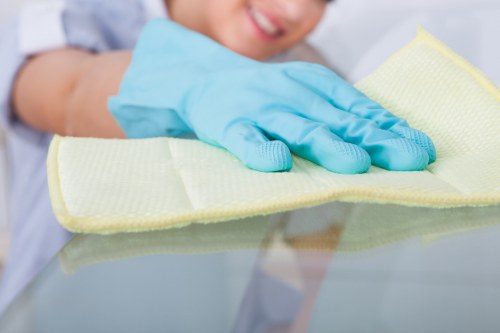
- Using suitable PPE such as gloves, masks and eye protection when handling chemicals or working in dusty environments;
- Inspecting hoses, leads and machines before use and removing faulty equipment from service;
- Implementing spill control procedures and safe waste disposal for contaminated water and used cleaning cloths.
Electrical safety protocols require the use of residual-current devices (RCDs) where appropriate, regular PAT testing of portable cleaners, and keeping electrical connections away from wet areas. For heavy furniture moves, two-person lifts and mechanical aids should be used to prevent musculoskeletal injuries.
Chemical Safety, Training and Emergency Response
Selection and use of cleaning agents must be informed by hazard information and safe handling instructions. Where concentrated detergents or disinfectants are used, dilution must follow manufacturer guidance. Storage of chemicals should be in clearly labelled containers, kept in secure, well-ventilated areas, and separated from foodstuffs. Staff must be trained in first-aid measures for chemical exposure and in procedures for skin contact, inhalation or ingestion incidents.
 Emergency response arrangements include readily accessible first-aid kits, clear instructions on reporting incidents, and a system for dealing with spills and accidental contamination. Fire safety considerations include keeping escape routes clear, knowing the location of fire-fighting equipment, and minimizing flammable material storage. Operators should be prepared to isolate power and stop equipment if they encounter an electrical fault or overheating.
 Monitoring and review are essential. Supervisors should conduct periodic safety inspections, review near-miss reports, and ensure refresher training for all upholstery cleaning staff. Continuous improvement should be driven by observation, employee feedback on hazards, and updates in industry best practice. The policy will be reviewed at regular intervals and amended to reflect new equipment or substances introduced into the cleaning process.
Commitment: The organization and every individual engaged in fabric and upholstery maintenance must commit to preventing harm by following safe methods, reporting hazards promptly, and cooperating in training and procedural reviews. By embedding these standards???whether for a carpet and upholstery technician, a fabric care professional, or a specialist sofa cleaner???we foster a safer working environment and deliver a high quality, risk-aware service.
Note: This policy is intended as a practical statement of intent and operational controls. It should be implemented alongside site-specific risk assessments and routine safety checks to ensure the protection of operatives and customers.