SW3 Upholstery Cleaning Tips for Chelsea Townhouses
If you live in an SW3 townhouse, you already know the charm of the place is part of the challenge. High ceilings, original details, tight staircases, polished wood, and furniture that has seen a fair few seasons can make upholstery care feel a bit more delicate than in a modern flat. These SW3 upholstery cleaning tips for Chelsea townhouses are written for exactly that reality: beautiful homes, lived-in sofas, and fabrics that need thoughtful handling rather than guesswork.
Whether you are dealing with a velvet armchair in a formal sitting room, a family sofa in a busy open-plan space, or guest room chairs that only get noticed when they look tired, the goal is the same: clean the fabric properly without damaging it. In this guide, you will find practical steps, common mistakes, and a few local realities to keep in mind. Let's face it, a townhouse in Chelsea can be elegant and unforgiving at the same time.
This article covers what upholstery cleaning involves, how to approach different fabric types, when DIY makes sense, and when calling a specialist is the safer move. You will also get a checklist, a comparison of methods, and answers to the questions people actually ask when they need a proper refresh, not just a quick tidy-up.
Table of Contents
- Why this matters in SW3 townhouses
- How upholstery cleaning works in practice
- Key benefits and practical advantages
- Who needs this and when it makes sense
- Step-by-step guidance
- Expert tips for better results
- Common mistakes to avoid
- Tools, resources and recommendations
- Law, compliance, standards, and best practice
- Options, methods, and comparison table
- Case study or real-world example
- Practical checklist
- Conclusion
- Frequently asked questions
Why SW3 Upholstery Cleaning Tips for Chelsea Townhouses Matters
Upholstery in Chelsea townhouses tends to work harder than people realise. A sofa may sit in a formal reception room, but that does not mean it is untouched. Dust drifts in from sash windows, fabric traps skin oils and everyday residue, and the occasional cup of tea, wine spill, or muddy shoe incident tends to happen at exactly the wrong moment. In a townhouse, furniture also often sits close to walls, radiators, fireplaces, and foot traffic paths, which creates a specific set of cleaning challenges.
The fabric itself matters too. Many SW3 homes feature delicate textiles, mixed-material seating, antique pieces, or bespoke furniture that should not be treated like a standard flat-pack armchair. A quick spray and scrub can flatten fibres, leave water rings, or make stains worse. Truth be told, the biggest mistakes usually happen when someone tries to fix a problem fast. It feels efficient. It often is not.
Good upholstery care is about preserving appearance, texture, and lifespan. Clean fabric looks brighter, smells fresher, and supports a more comfortable home. It also helps prevent dirt from working deeper into fibres, where it becomes harder to remove later. For households that entertain often, have pets, or simply want their interiors to stay refined, regular upholstery maintenance is one of those jobs that quietly pays for itself.
There is also a practical side in busy London homes: if you let marks build up, you may end up needing more intensive cleaning later, and that can mean longer drying times, a bigger disruption, and more risk to the fabric. That is especially relevant in houses with limited airflow or rooms that are used every day.
How SW3 Upholstery Cleaning Tips for Chelsea Townhouses Works
At its simplest, upholstery cleaning removes embedded dirt, stains, oils, and allergens from fabric-covered furniture. In real terms, though, the process depends on the fabric type, the filling, the construction of the piece, and how much soiling has built up. A professional approach starts with identifying what the upholstery can safely tolerate. That is the sensible order of things, even if people rarely think about it when they are staring at a tea mark on the armrest.
Most cleaning starts with inspection. The cleaner checks the fabric label or care code, the condition of seams, the type of staining, and any signs of wear. Some fabrics respond well to moisture-based cleaning. Others need low-moisture methods or dry techniques. A heavily used linen blend, for example, may behave very differently from a protected synthetic weave or a silk-rich decorative cushion.
In a townhouse setting, the logistics matter too. Narrow staircases, tight landings, and rooms with polished floors require care when moving equipment and protecting surrounding surfaces. A good cleaning routine should not only treat the upholstery, it should also respect the room it lives in. You do not want one cleaning job creating another mess. That would be very on-brand for a bad day, not a good one.
The cleaning process usually includes dry soil removal, stain pre-treatment, the main clean, and controlled drying. The aim is to lift dirt without soaking the fabric or leaving residue behind. A proper finish should feel clean, not sticky or overloaded with product. If the furniture still smells strongly perfumed afterwards, that is not always a sign of cleanliness; sometimes it just means the cleaning has masked the real issue.
Key Benefits and Practical Advantages
One of the best things about consistent upholstery cleaning is that the results are both visible and quietly protective. The sofa looks better, yes, but the fabric also tends to last longer when dirt and oils are removed before they can degrade the fibres. That is especially useful in townhouse interiors where furniture is often part of a carefully designed room scheme and not just a place to sit.
Clean upholstery can also improve how a room feels day to day. You notice it when you sit down in the evening and the fabric feels fresh rather than slightly stale. You notice it when sunlight lands on the cushions and the colour looks even rather than dull. Small thing? Maybe. But these small things affect how a home lives.
There are a few practical advantages worth calling out:
- Better appearance: colour, texture, and shape are easier to maintain.
- Longer fabric life: dirt abrasion is reduced when fibres are cleaned properly.
- Improved freshness: odours from cooking, pets, or general use are less likely to linger.
- More comfortable living spaces: furniture feels more inviting and cared for.
- Better resale or letting presentation: clean upholstery supports overall property presentation.
There is also the matter of confidence. If you have guests arriving, or you are simply fed up with a tired-looking armchair, a proper clean can make the whole room feel looked after again. That matters more than people admit.
Who This Is For and When It Makes Sense
These SW3 upholstery cleaning tips for Chelsea townhouses are useful for homeowners, tenants, landlords, property managers, and anyone looking after high-value or well-used furniture. They are especially relevant if your home includes heritage-style interiors, quality fabrics, or rooms where natural light highlights every mark. You know the kind of room: lovely during the day, brutal at 4pm when the sun catches every speck of dust.
This topic also makes sense if you are planning:
- a seasonal refresh before visitors arrive
- a post-party or post-event clean-up
- stain removal after a spill
- fabric care before a property viewing
- routine maintenance for sofas, armchairs, dining chairs, or footstools
- deep cleaning as part of a broader home refresh
It is also for people who have already had a bad experience with over-wetting, patchy results, or cleaning products that seemed harmless and then were not. A lot of furniture damage happens in a well-meaning moment. Happens all the time, really.
If your upholstery is antique, designer-made, or made from a delicate natural fibre, you should lean toward a cautious, test-first approach. If the item is heavily stained, holds odours, or has hidden soiling around arms and headrests, a specialist clean is usually the smarter route. Not always the cheapest. Often the wiser one.
Step-by-Step Guidance
Here is a practical way to approach upholstery cleaning without making life harder for yourself.
- Check the care label first. Look for any cleaning code or manufacturer guidance. If the label is missing, assume caution and test any product in an inconspicuous area.
- Vacuum thoroughly. Use a soft brush attachment to lift dust, crumbs, pet hair, and loose soil from seams, piping, and under cushions.
- Identify the fabric type. Cotton, linen, wool, velvet, synthetic blends, and mixed fabrics all behave differently. What works on one can ruin another.
- Test the cleaning product. Always test in a hidden spot. Wait for it to dry fully before judging the result, not just after ten seconds in a rush.
- Treat stains gently. Blot, do not rub. Rubbing pushes the stain deeper and can distort the weave.
- Use the least aggressive method first. Dry soil removal and light spot treatment should come before any full wet clean.
- Control moisture carefully. Over-wetting is one of the main causes of water marks, slow drying, and fabric distortion.
- Dry the area properly. Open windows if appropriate, improve airflow, and avoid sitting on the furniture until it is fully dry.
If you are working with a sofa in a townhouse sitting room, it is often worth cleaning one section at a time. That way you can keep track of moisture and avoid missing hidden residue in the corners. It is a bit slower. It is also far safer.
For stubborn stains, use a fabric-safe spot cleaner only if the material is suitable and the stain type is known. For larger refreshes, a dedicated upholstery cleaning service is generally better than trying to improvise with a household solution that may or may not do the job.
Expert Tips for Better Results
In our experience, the best upholstery results come from restraint. People tend to use too much product, too much water, or too much force. Less is often more. That sounds tidy and a bit obvious, but in real homes it makes a huge difference.
Here are a few practical tips that genuinely help:
- Work from the outside of a stain inward. This keeps the mark from spreading.
- Use white cloths where possible. Coloured cloths can transfer dye, especially when damp.
- Lift cushion covers carefully. Hidden dust under seat cushions can undo your effort fast.
- Match the method to the fabric. Velvet, boucle, and linen each need a different touch.
- Keep room temperature in mind. A warm room with airflow usually dries faster than a closed, cool space.
- Be patient with odours. Some smells only fade after the fabric is fully dry, not before.
If you live in a townhouse with lots of natural light, inspect the furniture at different times of day. Morning light and evening light reveal different things. A patch that looks fine at noon might show up later, and that is worth knowing before you call it done.
One more thing: if the furniture is valuable, don't "just have a go" because the stain looks annoying. That is how a small issue becomes a permanent one. Humble lesson, but an expensive one if ignored.
Fabric-specific reminders
Velvet: brush the pile gently once dry to restore the nap. Never scrub in circles like you are polishing a bicycle.
Linen: handle moisture carefully because it can mark easily and may need even drying.
Wool blends: test carefully and avoid excessive heat.
Synthetics: more forgiving, but residue still matters, so rinse or extract properly where appropriate.
Leather-look or mixed material pieces: treat each component separately rather than using one product everywhere.
Common Mistakes to Avoid
Most upholstery damage comes from a handful of repeated errors. Once you know them, they are easy enough to avoid. The problem is that they often feel like sensible shortcuts in the moment.
- Skipping the fabric label: this is the fastest way to choose the wrong method.
- Using too much water: this can cause rings, wick stains to the surface, or leave the filling damp.
- Rubbing a stain aggressively: it spreads the mark and can damage fibres.
- Using random household cleaners: especially bleach, strong detergents, or harsh sprays not intended for upholstery.
- Not drying properly: trapped moisture can create odours or mildew risk in poorly ventilated rooms.
- Cleaning only the visible spot: this can leave a cleaner patch surrounded by a dirty background, which looks odd.
- Forgetting seams and crevices: dirt hides there, quietly building up over time.
One of the more common problems in Chelsea townhouses is treating a decorative room as if it were low-use. If the room stays closed most of the week, dust still settles. It just does it more politely.
If a stain keeps returning after cleaning, that often means it has travelled up from the backing or the filling. In that case, surface treatment alone may not solve it. You may need extraction-based cleaning or a more careful specialist approach.
Tools, Resources and Recommendations
You do not need a van full of equipment to keep upholstery in decent shape, but the right tools help a lot. A soft brush attachment, clean white microfibre cloths, a gentle vacuum, and a fabric-appropriate cleaner are the basics. For homes with pets or frequent use, a lint roller and a grooming brush for hair removal can also be useful between deeper cleans.
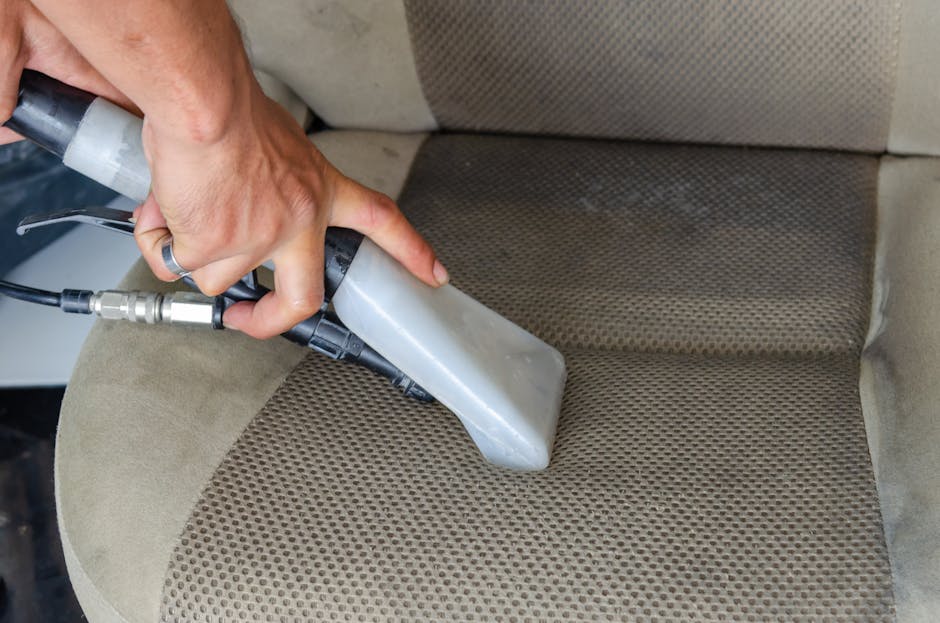
For more involved jobs, professional equipment often makes the difference. A good carpet steam cleaner is not the same thing as upholstery equipment, but it is useful to understand that heated extraction and low-moisture cleaning each have their place. Upholstery often needs more control than carpets do.
Here is a simple comparison of common approaches:
| Method | Best for | Advantages | Watch-outs |
|---|---|---|---|
| Vacuum and brush | Routine maintenance | Quick, safe, good for dust and crumbs | Will not remove deep staining |
| Spot cleaning | Fresh spills and isolated marks | Targeted and efficient | Can spread stains if rushed |
| Low-moisture cleaning | Delicate fabrics and light refreshes | Reduced drying time | May not suit heavy soiling |
| Hot water extraction | More robust fabrics and deeper cleaning | Good soil removal when used correctly | Over-wetting risk if mishandled |
| Professional specialist clean | Valuable, delicate, or heavily used pieces | Tailored method, better control | Usually higher cost than DIY |
If you are unsure, a trustworthy upholstery cleaner will typically assess the fabric first rather than rushing straight into treatment. That is a good sign. It means they are thinking about the furniture, not just the appointment slot.
You may also find it helpful to look at wider home care services if the upholstery issue sits alongside dust, kitchen residue, or a general refresh. A broader home cleaning or deep cleaning approach can make sense when the whole property needs attention, not just one sofa.
Law, Compliance, Standards, or Best Practice
For upholstery cleaning in a private home, there is usually no special legal requirement beyond ordinary care, safety, and consumer expectations. Still, best practice matters. If you are hiring a cleaner, you want to know that they work safely, use products appropriately, and take reasonable care of your property and furnishings.
In practical terms, this means asking sensible questions. Are they insured? Do they understand fabric types? Will they test before treating? Do they use products suitable for homes with children or pets, where relevant? These are not fussy questions. They are the right ones.
Good providers should also follow sensible health and safety procedures, especially when using electrical equipment, moisture, or cleaning agents inside a home with stairs, polished floors, and delicate furniture finishes. If you want to understand how a company handles that side of the work, it can help to review its health and safety policy and insurance and safety information where available.
For many homeowners in SW3, the real standard is simple: the work should protect the furniture, leave the room tidy, and not create avoidable risk. That may sound obvious, but you would be surprised how many cleaning jobs are judged on speed rather than care. The better benchmark is outcome plus caution.
If you are comparing companies, also look for transparent pricing, clear communication, and practical expectations about drying times. A properly run business should not oversell what a clean can do. It should tell you where the limits are. That honesty counts for a lot.
Options, Methods, or Comparison Table
Choosing the right upholstery cleaning method depends on the fabric, the stain, the furniture's age, and how much disruption you can tolerate. In a townhouse, convenience matters, but not more than protecting the material.
| Option | Good choice when | Pros | Cons |
|---|---|---|---|
| DIY spot treatment | The stain is fresh and the fabric is known | Fast, low cost, immediate response | Risk of spreading or setting the stain |
| Routine vacuum and maintenance | You want to keep furniture fresh between cleans | Safe, simple, prevents build-up | Won't restore heavily soiled fabric |
| Professional upholstery clean | The furniture is valuable, delicate, or deeply soiled | Better assessment and more controlled treatment | Costs more than doing it yourself |
| Whole-room refresh | You are also dealing with dust, carpets, or general grime | More complete result | Takes longer and may need planning |
For many SW3 homes, the best answer is a blend: routine vacuuming, prompt spot care, and professional cleaning at sensible intervals. That mixed approach tends to give the best balance between cost, appearance, and fabric life.
If your upholstery sits alongside carpets, rugs, or an open-plan living room that picks up everyday dirt, you may want to coordinate it with carpet cleaning or rug cleaning. The room feels more coherent when everything is cleaned to the same standard. Otherwise, the sofa looks lovely and the rug quietly tells the truth.
Case Study or Real-World Example
Consider a typical Chelsea townhouse scenario: a three-seater sofa in a front reception room, two upholstered dining chairs, and a velvet occasional chair used mainly in the evening. The sofa has light body oils on the headrests, a faint drink mark on one arm, and a general dullness that only really shows in daylight. Nothing dramatic. Just enough to bother you every time you walk past.
A cautious approach would begin with a fabric check and a full vacuum, then a targeted test on the least visible part of the sofa. The arm mark would be treated separately from the headrest area, because they are likely different stain types. The velvet chair would be handled with extra care, using minimal moisture and a gentle finish to restore the pile. The dining chairs, meanwhile, might need a different product again because food residue behaves differently from skin oils.
The important lesson is that the clean is not one action. It is several small decisions. That is especially true in townhouse settings where different rooms often use different fabrics and the light reveals everything. A rushed one-product approach might make the sofa look patchy, while a measured, fabric-led process gives a more even result and a much better finish.
In a real home, the best outcome is not just that the furniture looks cleaner. It is that it feels consistent with the rest of the room again. That sense of order matters more than people often say out loud.
Practical Checklist
Use this simple checklist before you clean or book a clean.
- Check the care label and identify any fabric warnings.
- Vacuum thoroughly, including seams, crevices, and under cushions.
- Test any product in a hidden spot first.
- Identify the stain type if possible: food, drink, oil, mud, pet-related, or general soiling.
- Avoid harsh scrubbing and do not oversaturate the fabric.
- Improve ventilation so the upholstery dries properly.
- Keep children and pets away until the piece is fully dry.
- Consider a specialist for delicate, antique, or high-value items.
- Match the cleaning method to the upholstery and the room's conditions.
- Review the whole room if the furniture looks dirty because the space itself needs a deeper reset.
Expert summary: In SW3 townhouses, the safest upholstery cleaning plan is usually the simplest one: identify the fabric, remove dry soil, treat stains carefully, avoid excess moisture, and dry thoroughly. If the piece is valuable or the stain is stubborn, stop early and bring in a specialist. That restraint often saves the furniture.
Conclusion
Upholstery cleaning in a Chelsea townhouse is part craft, part common sense. The fabric needs the right treatment, the room needs careful handling, and the end result should feel calm rather than overworked. When you get it right, the furniture looks fresher, the room feels lighter, and the whole home carries itself better. Small win, yes. But a satisfying one.
The main thing to remember is that good upholstery care is not about being aggressive or clever. It is about being measured. Start with the fabric, respect the construction, and do not try to force a quick fix where a careful clean is needed. If you stay patient, the result usually rewards you.
If your sofa, chairs, or upholstered pieces need a refresh and you would rather not risk the fabric, it makes sense to speak with a professional who understands the realities of London homes, tighter staircases, and the kinds of fabrics that show every little thing. A good clean should leave your rooms feeling quietly restored, which is exactly what a Chelsea home deserves.
Get a free quote today and see how much you can save.
Frequently Asked Questions
How often should upholstery be cleaned in an SW3 townhouse?
It depends on use, fabric type, and whether you have pets or children, but many households benefit from routine maintenance throughout the year and a deeper clean when visible soiling starts to build. High-use sofas usually need attention sooner than occasional chairs.
Can I clean velvet upholstery myself?
Sometimes, yes, but only with caution and after checking the care label. Velvet is sensitive to pressure, moisture, and brushing direction. If the piece is expensive or you are unsure, a specialist approach is safer.
What is the biggest risk when cleaning upholstery at home?
Over-wetting is one of the biggest risks because it can leave rings, distort fabric, or slow drying enough to cause odours. Using the wrong product is another common problem.
Will upholstery cleaning remove old stains completely?
Not always. Older stains may have set into the fibres or travelled into the backing. Good cleaning can improve them a lot, but complete removal is not something anyone should promise blindly.
How long does upholstery take to dry?
Drying time varies by fabric, method, room temperature, and airflow. Light cleaning can dry fairly quickly, while deeper cleaning may need longer. Good ventilation makes a noticeable difference.
Is steam cleaning safe for all upholstery?
No. Steam or hot-water methods are not suitable for every fabric. Some materials are too delicate, and some finishes can be damaged by heat or moisture. Always check suitability first.
What should I do immediately after a spill?
Blot the spill gently with a clean white cloth and avoid rubbing. If possible, keep the area dry and identify the substance before using any product. The quicker you respond, the better your chances.
Are natural cleaning products always safer?
Not necessarily. A product being natural does not automatically make it suitable for upholstery. The key question is whether it is appropriate for that specific fabric and stain type.
Should I clean all upholstered furniture at the same time?
Not always, but it can be efficient if the pieces are in the same room or have similar fabrics. In many townhouse homes, though, each item needs a different method, so a one-size-fits-all clean is not ideal.
How do I know if I need a professional cleaner?
If the furniture is valuable, the fabric is delicate, the stains are stubborn, or you are worried about making things worse, it is a strong sign to bring in a professional. If you are hesitating for more than a minute, that usually says enough.
Can upholstery cleaning help with odours?
Yes, it often can, especially when smells are caused by everyday build-up, spills, or trapped dust. Strong odours may need more targeted treatment, but a proper clean usually helps a great deal.
Do townhouse staircases and tight rooms make a difference?
They do. Access affects how equipment is carried, how furniture is moved, and how safely the job can be done. In SW3 homes, that practical side matters more than people expect, and it is one reason careful planning is worth it.